Author name: William V. Belles

William V. Belles, a name synonymous with automotive lubricants, has left an indelible mark on the world of engine oils. Born with a passion for machinery and a keen eye for innovation, Belles dedicated his life to enhancing the performance and longevity of engines. Early Years and Passion for Lubricants Belles’ journey began in the late 20th century. As a curious teenager, he tinkered with engines, dissecting them to understand their inner workings. His fascination with lubrication systems led him to explore the chemistry behind engine oils. Little did he know that this youthful curiosity would shape his entire career. Pioneering Alternative Base Oils In the early 2000s, Belles emerged as a trailblazer in the field of lubricant technology. His groundbreaking research centered around alternative base oils—a topic that would revolutionize the industry. Base oils, constituting a significant portion of engine oils, play a crucial role in their formulation. Belles championed the use of unconventional base oils, pushing beyond the confines of traditional crude oil-derived options. The Quest for Efficiency Belles believed that engine oils should evolve alongside automotive technology. He envisioned formulas that not only protected engines but also contributed to fuel efficiency and reduced emissions. His work focused on: Lower Viscosity: Belles advocated for lower-viscosity oils, which improved fuel economy and reduced friction losses. These oils allowed engines to operate smoothly, minimizing wear and tear. Friction Properties: By enhancing friction properties at boundary and mixed lubrication regimes, Belles aimed to optimize engine performance. His formulations struck a delicate balance between protection and efficiency. Base Oil Categories Belles categorized base oils into distinct groups, each with its unique properties: Group I: Traditional base oils produced through solvent refining technology. Group II: Refined from crude oil, with better antioxidation properties due to hydrocracking. Group III: Highly refined and severely hydrocracked base oils. Group IV: Polyalphaolefins (PAOs), synthesized for superior performance. Group V: A catch-all category for other base oils like esters, polyalkylene glycol (PAG), and bio-olefins. Legacy and Environmental Consciousness Belles’ legacy extends beyond laboratories and research papers. His work paved the way for sustainable lubricants, including biodegradable engine oils that degrade organically in the environment. He championed eco-friendly solutions, emphasizing the need to protect ecosystems while ensuring optimal engine function. In the annals of lubricant history, William V. Belles stands tall—a visionary who blended science, innovation, and environmental stewardship. His impact reverberates through every engine that roars to life, silently thanking the man who made it run smoother, cleaner, and greener.

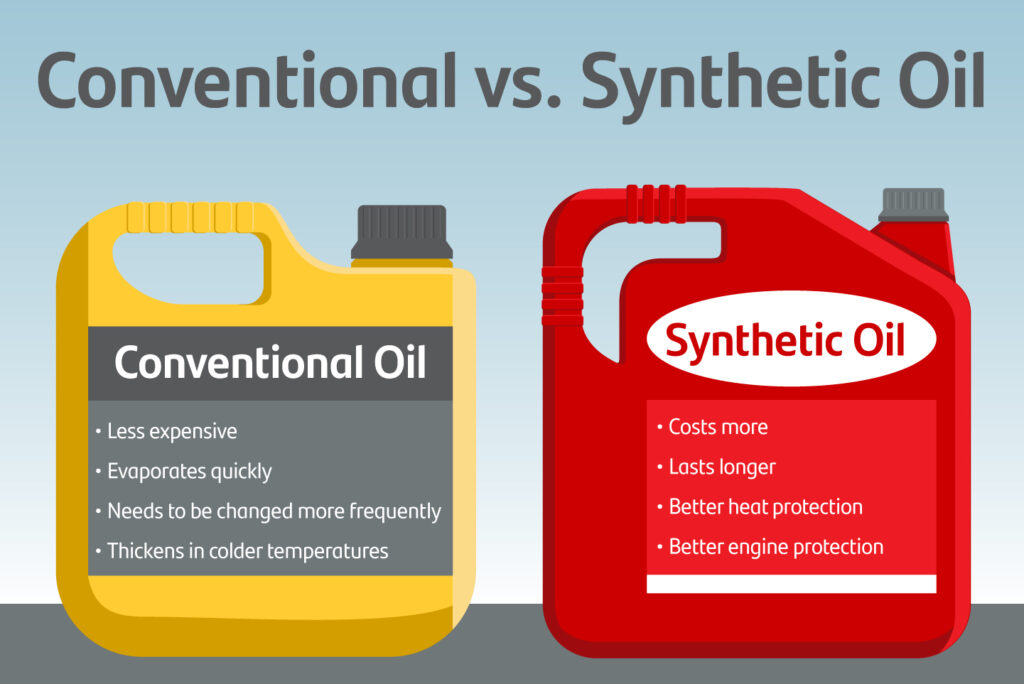
Synthetic Oil Vs Regular Oil

Synthetic Oil Vs Regular Oil: Ultimate Engine Showdown

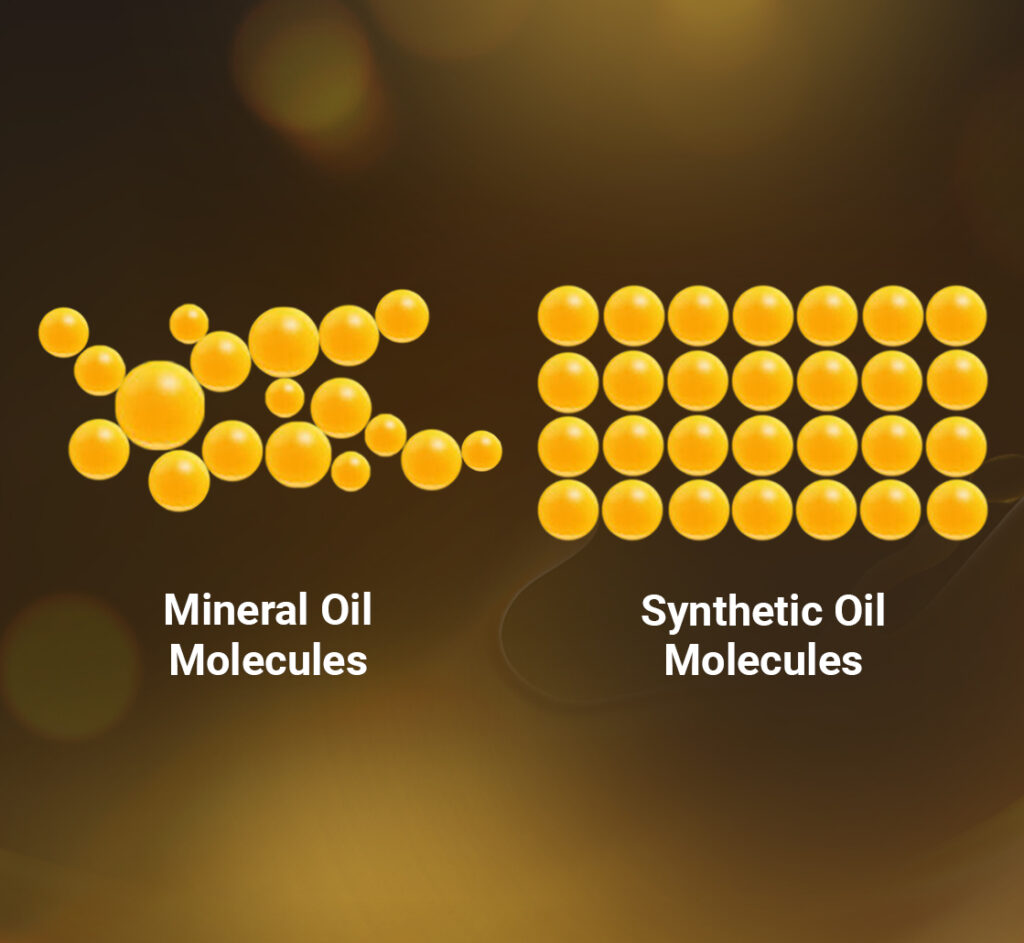
  Synthetic oil has uniform molecules, providing better engine efficiency and wear protection compared to regular oil. In today’s automotive industry, the debate between synthetic oil and regular oil has been ongoing. With advancements in technology and the increasing demands on vehicle performance, the type of oil used in engines has become a topic of […]

Synthetic Oil Vs Regular Oil: Ultimate Engine Showdown Read More »
SAE 30 vs 5W30: Optimal Oil for Your Engine Needs

Sae 30 oil is thicker and best for warmer temperatures, while 5W30 is thinner and suitable for cold starts and extreme weather conditions. When selecting oil for your engine, it’s crucial to understand the differences between SAE 30 and 5W30. This decision impacts the engine’s performance, longevity, and fuel efficiency. Let’s delve into the distinctions

SAE 30 vs 5W30: Optimal Oil for Your Engine Needs Read More »

Royal Purple Vs Valvoline Motor Oil

Royal Purple Vs Valvoline: Ultimate Oil Showdown

When comparing Royal Purple and Valvoline motor oils, consider factors such as viscosity, performance, and price. Each brand offers high-quality options tailored to different needs and preferences. Royal Purple is known for its premium synthetic oils, while Valvoline provides a range of motor oils designed for optimal engine performance and protection. Both brands have loyal

Royal Purple Vs Valvoline: Ultimate Oil Showdown Read More »

Sae 10W30 Vs 5W40

Sae 10W30 Vs 5W40: Ultimate Engine Oil Showdown

  When choosing between SAE 10W30 and 5W40, consider the temperature range you’ll be driving in. The numbers represent the oil’s viscosity at different temperatures, with 5W40 being better suited for colder conditions and 10W30 for moderate to warm climates. Understanding the differences between these two oil grades can help you make an informed decision

Sae 10W30 Vs 5W40: Ultimate Engine Oil Showdown Read More »

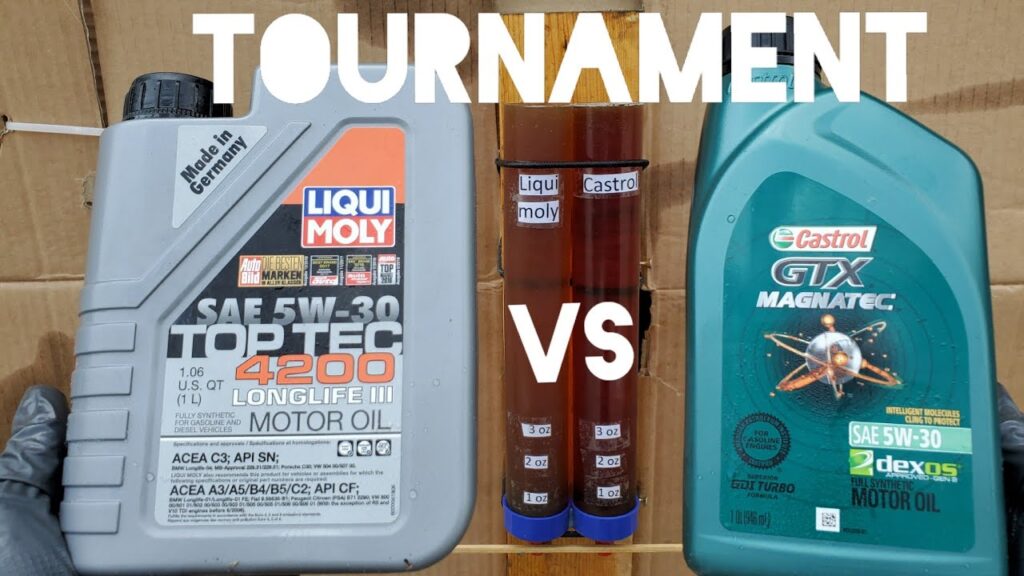
Liqui Moly Vs Castrol

Liqui Moly Vs Castrol: Ultimate Engine Oil Showdown

Liqui Moly and Castrol are both reputable motor oil brands known for their quality and performance. Many car enthusiasts and professionals have differing opinions on which brand is better. However, it ultimately comes down to the specific needs of your vehicle and your driving habits. We will explore the key differences between Liqui Moly and

Liqui Moly Vs Castrol: Ultimate Engine Oil Showdown Read More »

Amsoil Vs Mobil 1: Ultimate Synthetic Showdown

Amsoil and Mobil 1 are two popular synthetic motor oils, each with its own set of benefits and features. While Amsoil is known for forming a durable fluid film that reduces wear and maximizes engine life, Mobil 1 is praised for its high-performance additives that offer excellent engine protection. Both oils have loyal followings, with

Amsoil Vs Mobil 1: Ultimate Synthetic Showdown Read More »

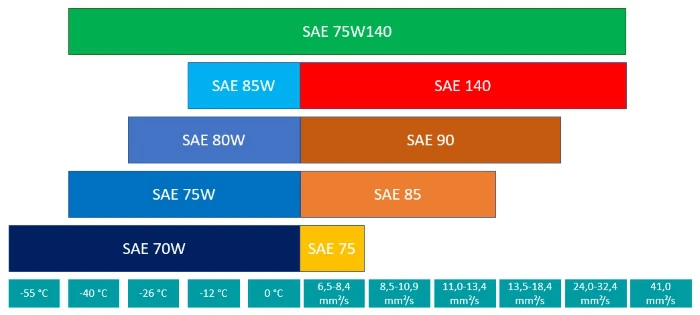
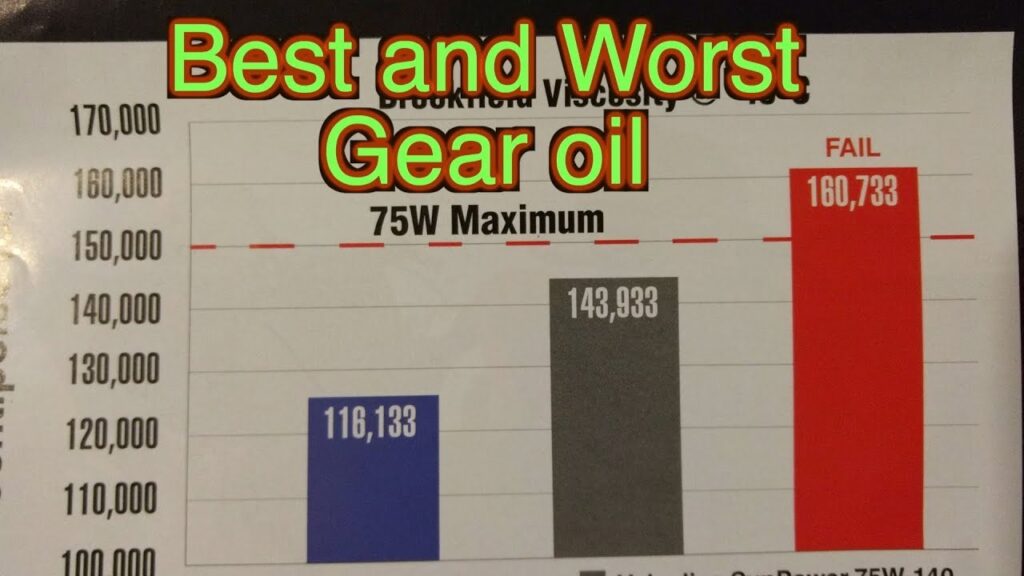
75W90 Vs 75W140

75W90 Vs 75W140: Gear Oil Showdown for Peak Performance

When choosing between 75W90 and 75W140, consider the viscosity and temperature requirements of your vehicle. 75W90 is suitable for regular use, while 75W140 is better for heavy-duty or high-performance vehicles. The choice depends on your vehicle’s needs and operating conditions. When it comes to selecting the right gear oil for your vehicle, understanding the differences

75W90 Vs 75W140: Gear Oil Showdown for Peak Performance Read More »

How important is engine oil selection for Duramax engines?

Selecting the right engine oil for Duramax engines is of paramount importance. These engines, known for their power and reliability in heavy-duty applications, require proper lubrication to maintain peak performance and longevity. Here’s a comprehensive look at why oil selection matters for Duramax engines: The Duramax Engine: An Overview Duramax engines, produced by General Motors,

How important is engine oil selection for Duramax engines? Read More »

What is Duramax diesel engine oil?

Duramax Diesel Engine Oil: A Comprehensive Guide Introduction: Duramax diesel engine oil is specifically formulated for the high-performance requirements of Duramax diesel engines, which are commonly found in heavy-duty trucks like the Chevrolet Silverado and GMC Sierra. The oil is designed to provide superior protection, enhance engine performance, and extend the lifespan of the engine. What

What is Duramax diesel engine oil? Read More »

Fully Synthetic Engine Oil Benefits

Fully Synthetic Engine Oil Benefits: Unlock Peak Performance

  Fully synthetic engine oil offers better mileage, improved engine performance, and longer intervals between oil changes. It also provides better viscosity and flow in cold temperatures, cleaner engines, and greater wear protection. Using fully synthetic engine oil can significantly enhance the overall performance and longevity of your vehicle’s engine. When it comes to maintaining

Fully Synthetic Engine Oil Benefits: Unlock Peak Performance Read More »

Scroll to Top